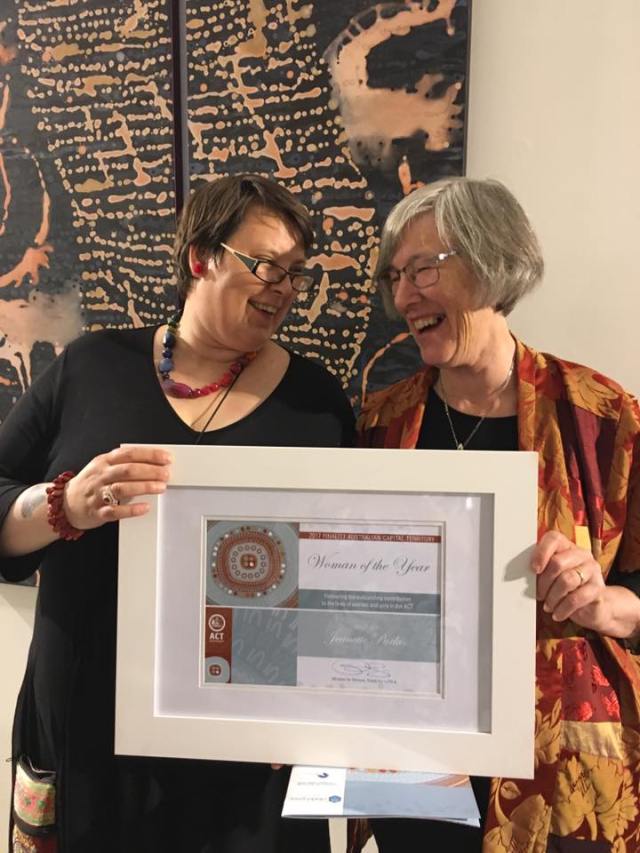
The image accompanying this post is me signing a book at a launch event in 2012.I look very happy don’t I? It might surprise you that two days after that image was taken that I was in the psychiatric ward for six weeks with severe depression. Was I putting on a brave face? Actually no. I was unaware that beneath my happiness for signing a new Jeanette book lay a depth of misery which I had simply not noticed. Like many others on the Autism spectrum, I have a condition known as Alexithymia, or emotion blindness. It doesn’t mean I don’t have emotions but that I cannot articulate them and struggle to notice them. In my case I only feel a few emotions and even then only when they are at a heightened state. It means I don’t access what I am feeling unless it is severe and even then I often can’t work out what the feeling is, just that it is unpleasant.
In the six week hospital stay after my book signing event, I remember sitting in the hospital psychologist’s room and crying. The psychologist told me I was really depressed and I denied it, despite the fact that everyone in the place could tell I was depressed. For a person with alexithymia, being asked by a mental health worker – or anyone for that matter – ‘how do you feel?’ is about as helpful as being asked what the temperature on Venus is at the moment. It is almost impossible to respond to that question in the way it was intended.
Autistic people experience alexithymia at higher rates than the non-autistic operation. It can compound existing difficulties. It can mean:
- Autistic people being unaware that they need to seek help
- People not being able to articulate what they are experiencing because they are unaware of it themselves. This can lead to mental illness conditions or symptoms getting very serious before anyone knows
- Autistic people’s level of distress being misjudged and treatment in mental health services not being appropriate for the person. This can include being denied treatment as the person does not seem particularly distressed or speaks about their experience and feelings in an atypical or unexpected way
- Clinicians and support workers having no idea of what their client is going through and treatment being unhelpful as a result
- Making it difficult for Autistic people to understand their own mind and identify when they need to seek help
- Compounding stereotypes of Autistic people being emotionless or ‘cold’.
- Many Autistic people are taught small talk type responses to questions. Often they may learn that when someone asks them ‘how are you?’ or ‘How do you feel?’ then the answer should be ‘good’ or ‘well, thank you.’ This can be an issue when someone has alexithymia and they think the ‘right’ answer is ‘good’ even if they have some awareness they are struggling.
Recently I have become aware of my alexithymia and what it means. I do not feel a lot of emotional response to things. The most common emotion I am aware of is stress and from that overload.I can tell a meltdown is coming on when the stress turns into anger. I don’t feel much but I observe how I am acting: avoiding other people for fear of yelling at a them, not going online for similar reasons, a tension in my forehead and a sensation of adrenaline in my head. This means that after many years of being at the mercy of overload, I now get more of a chance to leave the situation and take time to de-escalate.
I am also getting better with understanding my mood, not so much by feel but by what I observe myself to be doing. If I am up at 3 am on a work night, talking loudly to myself and Mr Kitty and writing very quickly – and very well, then that is a fair indication I am elevated or getting hypomanic. Once I know this I can physically slow myself down by going to bed and listening to classical music. Conversely, I can tell I am having a depressed mood when my house is messy and I cant imagine being able to clean it. When this happens I know I can take action to help improve my mood – do something productive or energetic like having shower and going to work when I don’t really want to or writing. With both the elevated and depressed moods I also rely on friends and family to assist by telling me. If my mum says ‘Jeanette your mood is high as a kite!’ I thank her because she is a more objective observer than me and her observation is helpful.
If someone asks me ‘how do you feel?’ I usually can’t answer but I can work it out with some strategies. It is important to be aware of alexithymia and Autistic people, especially for parents of younger kids and teens. There are strategies to manage it but often someone isn’t aware that they are not aware of their emotions.It is a tricky one and certainly deserving of more information than exists at the moment.






 YennPurkis