Friends – good and true and preferably Autie

My childhood and early adulthood was characterised by my friends – either the fact that they were absent or inappropriate or downright dangerous. I never had a peer group. In fact I was so devoid of suitable friends that I found myself taking on belief systems and attitudes just to be accepted by one dodgy peer group or another – revolutionary socialists, criminals, drug addicts – I wanted so much to belong to something that I didn’t seem to mind how negative or unpleasant membership of that peer group might be. I lacked a genuine culture. I felt so isolated that it hurt. I was all alone in a scary world where nobody seemed to have any idea what begin me was like.

From starting life as a confident, happy and intelligent little girl, bullying, victimisation and abuse – and simply a lack of having anyone who understood me – left me angry, filled with self-loathing and feeling that nobody would ever love or value me for who I was.

Sadly my story was not the only one of its kind. Many other young people – particularly those on the Autism spectrum and those with a traumatic past – end up feeling worthless and alone,

For me thankfully, this picture changed. Today brought home to me how amazingly lucky I am in terms of my friends and peers. I was due to catch up with some friends for afternoon tea. One friend – we’ll call her Ellie (because I haven’t asked if it is OK to talk about them in this blog) lives locally and the other (let’s call him Jim) is from interstate. Both of them belong to the peer group I am proud and happy to belong to – Autism advocates and Autistic people ore generally. There is a great group of us here in Australia and we all know one another. We speak at the same conferences, belong to many of the same Facebook groups and often have quite similar perspectives on certain things. And a lot of my friends in this peer group have emerged from social isolation and low self-esteem themselves. I feel safe with my Autistic friends. Most of us want to support others to succeed and be happy. Of course there are rivalries and disagreements – we are human after all – but I find a great sense of common purpose and fellow feeling.

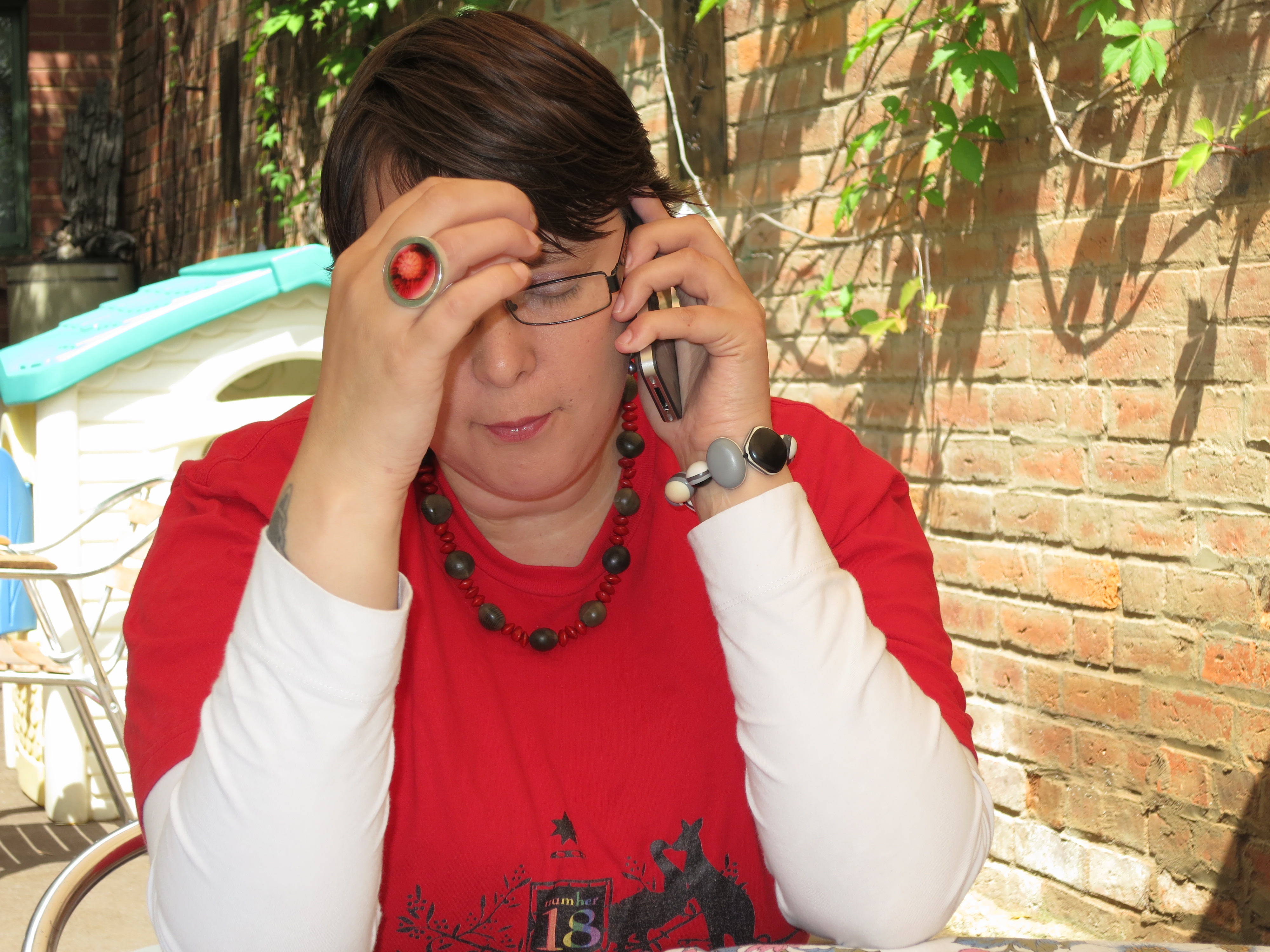
Today something happened which most of my friends don’t see. I had a bit of a meltdown. In front of other people. This is a rare occurrence – I usually save up such things for when I am home and the only witness is Mr Kitty. This is not due to shame or hating myself for these things. More it is because I want to spare my colleagues and friends an upset and angry me. But today was different. I have been a little unwell in the mental health sense of late so anxiety has been a challenge for me. Today the anxiety of getting a piece of recalcitrant technology to work was too much. The funny thing was the difference in reactions from my friends and others who have seen me in similar circumstances. With others – particularly mental health workers – a meltdown would result in a lot of pathologising and administration of medication. It would be seen as evidence that I couldn’t manage my own health and might need a stay in hospital. But tonight, both friends helped and there was no judgment. Because why would there be? Most Autistic people know exactly what is going on in such situations and there is no need for judgement. It is just a case that Jeanette’s brain has too much stimulus or input. She will work through it and it will be OK.

This is one of the many reasons I feel at home with Autistic people. Among my friends – particularly my close friends – almost everyone is on the spectrum. This is my culture. Which gets me onto a slightly more advocacy-related point.  When I was a child, a teen, a young adult, my life would have been very different I think if I had understood where I fitted in this map of belonging. I was diagnosed at 20 when I have lived 100 lifetimes of misery already. I was a very ‘old’ young person – as are many others on the spectrum. I can’t nip back in time and furnish my girlhood self with a diagnosis but I can work to ensure today’s children, teens and young adults on the Autism spectrum don;t have to join socialist, criminal, druggie or whatever other damaging peer group. When I stand on stage – every time I stand on stage – I am speaking to my 16 year old self metaphorically. I hope that our young people find their ‘home’, where they belong and I feel that the Autistic peer group can be a very good start.

I am so blessed to have the friends I do, the life I do.
11059875_840569759357746_7298864586145982601_o

Some thoughts about ‘success’, whatever it may be

I have had reason to think about the concept of success lately. As with everything in my life, I find myself comparing the me of today to the me of twenty years ago. People seeing me and my current group of friends and colleagues would probably call me successful. I would agree, and I am certainly successful in a conventional kind of way. I have nothing against success per se but am aware it is a concept which can be a bit fraught.

Let’s go back a few years to see where all my apparent success came from and why I don’t generally get overwhelmed by it and try not to get ahead of myself. I turn 41 this year so let’s pop back in our metaphorical TARDIS to 1995. Jeanette who was just about to turn 21 was a vastly different manifestation of Aspie than her almost 41 year old self. She had just been released from prison, had her life savings of $4000 stolen by a ‘friend’ who took off to Queensland and justified the theft with some nonsense and displayed no remorse. Previous Jeanette had also been dumped by all but a tiny remnant of her pre-prison friends. She had been given a diagnosis of ‘nerd’ (or Asper-something) which she didn’t understand or want to admit to. She had moved in with her drug dealer – one of those ‘felt like a good idea at the time’ deals. The drug dealer and housemates decided that rent was an optional thing as were bills (so no phone). Jeanette’s daily activities consigned of getting up around noon, drinking coffee and smoking a lot of marijuana. Once a week she would buy an absolute luxury – a falafel roll from the BP service station. It cost $3.00  – a fortune after all the rest of the money went on weed. Jeanette had just had her stereo, TV and VCR stolen by ‘friends’ and was becoming quite unwell mentally. Within three months she will be psychotic, even more impoverished and homeless but that’s a story for another day.

On Jeanette’s 21 st birthday, she has $30 to her name. She spends the whole day looking for a gram deal of weed, knocking on the door of every drug dealer in her home suburb of Richmond. At 6:00pm she scores a deal. She miserably packs a bong and says to the acquaintance (for drug addicts have no friends, only contacts) ‘it’s my 21st birthday.’ The contact replies ‘well, you’re celebrating aren’t you.’ 21 year old Jeanette has no friends and has lost contact with family for the time being. If someone said to 21 year old Jeanette that she would earn a Masters degree, write two books, have a number of solo and group art exhibitions, work in Government administration, own her Autism diagnosis and speak about Autism to a huge variety of people, she would have thought you had got into the magic mushrooms. Soon to be homeless Jeanette will eventually come to own her own home and be a formidable manager of personal finances. People have told soon-to-be 41 year old Jeanette that she is a role model for their kids, an icon in the Autism world, an opinion leader.

20-something Jeanette is with me always, tempering my attitudes and confidence. I decided to be successful. It was more organic than tossing the drugs down the toilet, throwing out the address book full of criminals’ phone numbers and saying ‘I want a career and a house please’ but it wasn’t too far removed from that. For me success has been an series of incremental shifts, gathering of wisdom and insight and learning from errors and adversity. And it did not occur to me that I was successful in any way until recently. The funny thing about having a dodgy past is that in some ways it anchors you to the past for far longer than it probably should. I spent at least 10 years after I escaped from drug use, criminality and homelessness seeing myself in relation to that time and feeling a strong influence from it.

Success is far more broad than conventional or material success though. It is what is in your mind, your character that makes you successful. I know successful people who have never worked or gained qualifications or any other thing. I talk about ‘conventional success’ when I speak of myself. What I mean by that is that society tends to views sorts of things like how much one is paid, whether one has higher education qualifications or ‘achievements’ like writing a book or giving a TED talk as denoting success. I would suggest that it is not necessarily the case that success has to be this kind of success. Success is a loaded thing. I judge people on whether they are a decent human being who respects and values others and themselves, certainly not by the size of their income.

For me the measure of personal success is how good I feel about the things I am doing, how content I am with life, the kind of people I have in my life and the nature of those relationships. And I honestly don’t know how I got to be the me that I am. I wish I could tell my 21 year-old self that her misery won’t not last and people won’t always look down at her. It amazes me that she managed to overcome her significant challenges without the knowledge of where she would end up. One of those magical, perfect things. I am eternally grateful that I became the me who I am now.

img148

Almost 11 year old Jeanette…..

Reflections on a life less ordinary…and coming home

I just got back from Melbourne, where I had travelled to give a presentation about Autism and employment – probably the main reason I leave Canberra these days is to gee such presentations. For those who don;t know it, Melbourne is a big, beautiful city, an idiosyncratic place full of great coffee, quirky little shops and all sorts of art. A genteel sister to the more gritty and fast-paced Sydney, Melbourne was built in the 1850s on money from the Victorian gold rush, I lived in Melbourne from 1992 to 2007. I protested on its streets, lived in a number of share houses of varying degrees of squalor. I studied for eight years, made friends and penned an autobiography within Melbourne’s arms. I have a strong connection to the city, along with a lot of friends, colleagues and family members who live there. I love visiting my former hometown and this visit was no exception.

I was a little concerned prior to my trip as I had a lot of activities booked, probably mode than is wise. I comforted myself with the knowledge that I have more energy than anyone I know and probably more motivate than anyone anywhere. I had activities packed in from the moment I arrived to the day I left.

My life has taken a bit of an interesting turn in the past couple of years. I have been an Autism advocate and author since about 2005. For the first eight or so years not many people knew who I was. I had a couple of gigs which I thought were cool – a chapter in a book about Autistic experiences, a documentary which was shown on national television and a few interviews in various news media, but mostly I just went to work and wished I had a broader audience for my ideas around Autism. All this changed in 2013. I was coming off a long period of mental ill health which had threatened to finish my public service career and leave me incapable of useful activity of any kind.  I had just got myself a little friend in Mr Kitty, my beautiful little mini black panther cat.  I had unexpectedly won an award for leadership at work and was trying to regain my self-confidence. Out of the blue I was asked to audition for a TEDx conference. I couldn’t believe that this was real but it was and in September 2013 – on the day of an election in Australia which ushered in a new government – I delivered a presentation on Autism and resilience to around 700 eager audience members on the TEDx stage. It was terrifying and exhilarating and the best talk I had ever given.  2013 was also a literary year. Spurred on by meeting a young man on the Autism spectrum who was very limited in his independence due to low expectations of his capability by family and educators, I decided to write a book about employment for teens on the spectrum to help build confidence and knowledge around employment. The book – ‘The Wonderful World of Work: A Workbook for Asperteens’  was published without amendment by my lovely publishing house, Jessica Kingsley Publishers.

The two events – my TEDx talk and the new book – combined to change my profile in the Autism world from someone who a few people liked and appreciated to where I am now, with a much bigger following and a schedule and workload which are completely impossible but which I manage to navigate somehow (possibly by magic – who knows?? :)) So now when I travel to a city, I tend to have a lot of requests for me to meet people and do additional things, which I actually love. During my Melbourne trip I caught up with:

  • My friend and awesome Autism world colleague Penny
  • Another friend and possibly the nicest person in Victoria, Daniel
  • My uni friend Deb who I met in 2002 and love as dearly as family
  • My epigenetic researcher friend Jeff who showed me around the labs and the Royal Children’s Hospital
  • My long-term friend, fellow cat lover and hopefully soon to be co-author, Catriona
  • The staff at Irabina, who are hosting an event later in the year where I will speak with Temple Grandin
  • My lovely friend and fellow artist, Anniene
  • My Facebook friend and prospective web designer, Richard
  • My young advocate friend Ben and a roomful of people in Orange (via Skype)
  • My excellent disability advocate friends Rosemary and Chris and their other guests, Kaye and Rosemary
  • My family (Mum, Dub, Den, Caz, Chloe, Katie and Ben, Cam, Sarah and Caz’s friend Kirsten and her husband Sam and their two boys)
  • A number of cats at the Melbourne cat cafe
  • Some people I met in my travels who I gave business cards because I’m the networking ninja!

It was such an amazing trip. Highlights included giving two talks and having the inevitable discussions with attendees, spending an afternoon with my family and newly nine year-old niece Chloe, having dinner in a little laneway cafe with Anniene, having a long conversation on the jetty at Sandringham with Penny and meeting her mum and little doggie and buying matryoshka doll/s from a shop in Royal arcade which I have longed to go into for years and having a lovely conversation with the young woman shop assistant. It was all amazing though,

I came home this afternoon. I caught a lunchtime flight which got to Canberra in great time. It was a little scary when we landed because we came in really fast and it was a little bumpy – there’s always that 30 seconds in the landing when you think ‘Is this actually going to stop before the end of the runway?’ Thankfully it did and now I am home in my beautiful Whimsy Manor. I had a snooze and unpacked, had a long, hot shower and sat down to write this. I am such a fortunate person. I have a life that I love and people I care about. Given the struggles I have had through life, I take pleasure where I can find it. I don’t know what is in the future but I’m not going to worry about it. I am happy, fulfilled, loved, accomplished and warm right now, this instant, and that is good enough for me. I do sometimes worry about my workload and where my profile might take me. People often say unhelpful things about how well-known I will be in the near future and I ignore this, I will deal with whatever the world may give me as it happens. I don’t really want much, oner than my little furry feline person, meaningful activity to keep me engaged and respect and love for my friends and family. Everything else is less important. I have the strangest life which shouldn’t work at all but somehow it does. I look forward to getting my Kitty back tomorrow and returning to work on Tuesday. Happy Sunday readers. Thank you for reading my blog. I appreciate it and I hope you find it helpful.  – Jeanette

IMG_0129

Me organising stuff…

The wonderful world of…er WiFi

I am writing another blog post on location, this time from Melbourne. I was invited to give a presentation on Autism and employment for Asperger’s Victoria I was also asked to deliver a presentation for an Autism group in Orange in regional New South Wales.  The talk for Asperger’s Victoria went well. I got back to my hotel after 11:00 pm and got onto the laptop to check my social media. The Wi-fi didn’t work.This would usually have just been an annoyance but the presentation on less than 24 hours was to be via Skype. I went to bed hoping that it would be fixed by the next day.

The next morning and nothing had shifted on the broken internet front. I asked the concierge what I might do and she suggested it was because on the eighth floor the signal might be week. She told me there was a function centre on the first floor which I could use to do the presentation, providing it wasn’t being used. I was relieved. I went off to my very full day but I did have a niggling thought that if the conference facility was being used I would be in trouble. I caught up with Daniel, a lovely man I know from the Autism world. We had a great coffee and conversation. I left him to catch the Skybus as he was going to Perth. I think whizzed off to my next engagement – a lunch date with my uni friend Deb who I have known since 2002 and is one of my favourite people in the world. I then dashed off to Irabina – the organisation which is hosting my talk with Temple Grandin and Tim Sharp later in the year. I was introduced to possibly every staff member in the office and had a captive audience. I was presented with a cup of coffee and a plate of various chocolate biscuits and encouraged to eat several tim tams (my mum would be horrified – but she wasn’t there!) A few of the staff told me what an honour it was to have me speak, having apparently confused me with a notable person :). I mentioned my Wi-Fi issues and the CEO, Deb, suggested that the State Library of Victoria might be a good place to give my presentation. She found my the phone number and I was on my way.

I got the train back to the city. It took about an hour. I listened to an REM-themed playlist on the way. When I got to my hotel I thought I should check whether the function room was being used. Apparently it was. The  new concierge told me I should’t be using Skype because it used too much data. I think he may have confused streaming video with sending video. I didn’t have the time or the inclination to set him straight. So instead of help and customer service I got a lecture and a free dollop of additional anxiety. I suggested to the concierge that there was a thing called Trip Advisor and I would be making full use of it to tell the good people of the internet that the wi-fi – and the customer service – in my hotel were somewhat lacking.

Threats of Trip Advisor aside, I was very stressed. I had an hour before giving a talk to a roomful of people in Orange and there was the very real possibility that I may not be able to make the internet work to do it. I fished around in my bag for the phone number of the Library – so kindly provided by the CEO of Irabina – and called it. The lovely woman I spoke to told me I could go to the courtyard and find a quiet corner and do the presentation. I know it would take fifteen minutes to walk to the library so I rushed off at high speed, cursing any slow pedestrians I encountered.

I got there and asked where the courtyard was. I found a spot and turned on Alastair my MacBook Air, And….the re was no internet. My heart racing I found a staff member and in panicked tones asked how to hook up the Wi-Fi (and yes I know one doesn’t really ‘hook up’ Wi-Fi because it;s wireless…) The staff member showed me what to do and I honestly could have given him a big hug. I thanked him about 100 times and got back to my little quiet nook in the courtyard. I could see school students talking to one another and people who may have been overseas students on their laptops on Skype, speaking in other languages. The internet connections worked perfecta and I had the ideal spot – the kiddie corner. I sat on a beanbag and propped Alastair on a cardboard box so my audience in Orange would be able to see me.

The talk went rely well. Skype only dropped out once and it was before the talk actually started. I had a guy who may have been homeless trying to sleep on one side of me. I did explain that I would be giving an Autism talk and he might want a quieter bedroom but he said he was fine and curled up in apparent comfort and slept through my talk up until the last five minutes when he got up and left. One my other side there was a family with two excitable little girls playing. It was easily the strangest talk I have ever given but it was wonderful. Actually it was a slightly surreal triumph. Using my networks and ingenuity I had solved an apparently insurmountable issue to give a talk. I didn’t let my Orange-based friend, Ben and the audience down and I did something just a little magical – giving a talk about Autism in a public and rather beautiful place. I may be the only person who has ever delivered a presentation from the kiddie corner in the State Library of Victoria. It was certainly a very memorable experience and not so much for the extreme stress I encountered in the lead-up but more for the perfect resolution.

I went back to my hotel and the rude concierge apologised. I imagine the apology may have been prompted by his supervisor but I didn’t really care. An apology is an apology. After I got back to my room I had a beer. An odd, stressful and wonderful day.

IMG_1639

I’m a person, not a stereotype – When mental health services provide a poor service

As many of you will know, I have a diagnosis of atypical schizophrenia. It is much less of a ‘friend’ to me than my Autism /Asperger’s diagnosis, which I rather like. I have referred to the mental illness as ‘my own best enemy’. Part of this is in relation to the scary and debilitating symptoms I can experience but a whole load of negativity comes from the treatment for the illness more than the illness itself. I have taken heavy duty medication since 1995 and I have almost no hope of not having to take it for the rest of my life. Some of the medications have had terrible side effects, like tardive dyskynesia (this is a movement disorder which made me flick out my tongue like a lizard, involuntarily. It is usually permanent but I was very fortunate that it was reversed. I can’t begin to imagine how this would have impacted on my confidencce at job interviews and on stage if it continued).

I have been a client of a large number of mental health outpatient services and hospital wards and it is these that I have found disempowering, dismissive and discriminatory on a large number of occasions. It is as if some staff in mental health clinical services see all their clients as one big set of stereotypes rather than individual human beings. And the stereotype seems to be based on a lowest common denominator of unemployed people on benefits living in unstable accommodation who don’t want to take their medication as prescribed. I  – and many other people I know who use these services – do not conform to this stereotype. I work full-time, own my own home, manage my own life pretty well, including taking my medication.

An instance of this prejudice and negativity occurred last week. Given that I have a dubious past from many years ago, I am always required to provide extra evidence when applying for things like police checks. I had to get a check for one of my Autism world activities and the government body regulating the check asked me to provide evidence of medical treatment I am receiving, As soon as I saw this my heart fell, for a couple of the reception staff at the  metal health clinic I attend are gatekeepers of the worst order. My doctor there is a complete angel and I knew that if the got the message that I needed a one pager from him outlining my excellent medication-taking skills and compliance with treatment regimes he would type one up there and then. But I also knew that getting the message to the doctor would be almost impossible. I called the clinic and was told to post the letter from the regulator to them… but  I only had two weeks to provide a resonse and I was going to Tasmania and then Melbourne the week after. What ensued was a strained conversation with the reception staff member who treated me as if I had asked for the doctor’s personal phone number and bank details. There was no respect, no humanity in the woman’s manner. I was not seen as an equal or even a human. The result of all of this was that I was left quite stressed and angry. It is a week later and I still haven’t heard about the letter from the doctor. I gave in and paid to see my GP because she does respect me and her receptionists don’t think I am a lesser human. I’m not even going to start describing some of the invalidation and prejudice I have experienced in psychiatric hospitals.

What bothers me is not so much that certain staff of mental health services are rude and dismissive to me. I’m tough and can deal with a bit of rudeness. But what about others who are not so strong and confident? I remember when I applied for my public service job that my psychiatrist at the time told me I wouldn’t be able to do the work because of my illness. What would happen if someone actually believed that negativity and gave up on something they might have been great at, like a public service job?

It does amaze me that the most prejudice around my illness I have had has come from psychiatric nurses, psychiatrist, social workers and other health staff. This is not to say that all staff are difficult and rude – it is a small minority of them that are discriminatory and rude. I have also had some great support and care from mental health workers and count a number them amongst my friends. But it is very hard when you are trying to get some assistance for your illness and get met with these sorts of responses. It certainly adds to the challenges presented by the illness.

I have a bit of a mission in life which involves a number of things, including improving understanding amongst certain health workers around the rights and needs of people with a lived experience of mental illness. Occasionally I make a difference but it is a change which needs to happen.

DSC_6710

Happy Hobart everyone! – reflections on art, Autism conferences and creme brûlée

I am not writing from Whimsy Manor today. This is the first blog I have ever written on location – and what a location! Hobart, capital of the apple isle, home of beautiful old architecture, temperate rain forests and yummy seafood and other foodie things. I got here on Sunday. It’s odd, I travel a fair amount but sometimes I don’t believe the place exists until I’m at the airport reflecting on the miracle that is aviation (as Harry Potter’s Mr Weasly wondered about what makes aeroplanes stay up). So here I am. My dad told me how much I would enjoy Hobart a few times, but I wasn’t sure if I would.

The trip started on a happy note. While I was waiting for my luggage to emerge from the baggage carousel, one of the organisers of the conference which was the reason I am in Hobart came over and introduced herself. She was there to pick someone else up but happily rearranged the contents of her car to fit me in (think Tetris with an overweight Autism advocate and a wine rack). My hotel was one of the oldest buildings around and boasted a cheery pub and cheerier receptionist. I enjoyed dinner in the restaurant with two of the other speakers who had come all the way from Western Australia. Dinner was enjoyable and we talked about all sorts of things. We shared a coffee creme brûlée with Frangelico ice cream for dessert  mmmmmmm.

I got back to my hotel room and watched some of a movie on Netflix – something about a young boy in 1980s England who gets involved with Nazi skinheads. Not my usual choice of movie but it was listed as ‘critically acclaimed’ and had all the hallmarks of an art house film. I was asleep before it ended.

On Monday I had a mission to complete – I was off to the Museum of Old and New Art, MONA to its friends. MONA is a gallery conceived and financed by an art-loving Aspie who funded it’s construction and upkeep through the proceeds of professional gambling. As a Masters graduate in the field of Fine Art/painting, I have visited a variety of galleries and art museums around the world but MONA is one of a kind. The best way to get to the gallery is by a big ferry with street art murals, boiler-suited young staff and a bar. The ferry steamed off down the Derwent river, past docks and houses climbing up hillsides and damp winter landscapes. It docked at the bottom of a flight of 99 stairs. This overweight Aspie had to take a short break somewhere near the top. On arriving I was provided with a purpose-built iPhone with information on all the art works (including an option called ‘art wank’ with an icon of a penis!) The friendly staff member told me to go to the bottom floor and work my way up.

The art was amazing. My favourite was a participative piece by Marina Abramovic where you left all your things in a locker, donned a white coat and noise-cancelling earphones and counted grains of rice and lentils. It was such an experience. The noiselessness rendered me alone but here I was in the company of people, doing a meditative activity who were also alone in the silent world. But together. It was exquisite. Other highlights were Irwin Wurm’s ‘Fat Car’ – a sculpture of an obese sport’s car – and a work where words about Australian experience were formed in droplets of water descending from a fountain. I also enjoyed a number of videos about various things, the ancient Egyptian works and a sculpture of a head with viewing portals in which were animations denoting thoughts or dreams. And yes, I did exit via the gift shop and bought myself a doll of Albert Einstein who thinks via solar power and some postcards to put on a wall in Whimsy Manor (I am running out of walls….)

In the evening I had dinner in the hotel restaurant…. completed with a coffee creme brûlée mmmmmm

I then caught up with photographer who was shooting notable people on the Autism spectrum for an art project. We had a delightful conversation in the chilly evening. He took shots of me standing on the waterfront and then did some character shots in my hotel room with me hunched over my computer, apparently working. It was just magic and I reflected on how lucky I am to have such an interesting and engaging life.

And this morning I got up and went to the conference I was speaking at. It was similar to many events I have attended and very enjoyable. My friend and ‘closest colleague’ Chris Varney was there, talking about his experiences and good work with the advocacy and mentoring organisation the I CAN Network. As always his speech was amazing and filled with things that I nodded and ‘mmm’ed at. Then the Autism CRC’s Marita Falkmer spoke about transitions from school to further education with people on the Autism spectrum, which was also excellent. There was a great synergy between what Chris was saying as a perspective of  ‘practice’ and Marita’s information from a ‘theory’ perspective (although that analogy is a little simplistic and doesn’t do either presentation the justice they both deserve).

A book was launched which I found out I had contributed to but didn’t realise! (Very funny being called up on stage for something I was unaware I’d done).

After lunch there was a panel discussion with Chris Varney, a young woman called Emily Brake and myself which was expertly moderated by Torbjorn Falkmer of Curtin University. I love a good panel discussion and we had a great, dynamic conversation between the four of us. At the end of the day it was time for my talk. I didn’t have a huge crowd but I had an appreciative crowd – it was so enjoyable talking to them about my employment journey and tips I had for them. I sold some books and noticed that almost all my book order forms had been taken. It is always an honour and a pleasure speaking to people about my own experiences. They are almost invariably generous and kind. It’s great to catch up with Autism world colleagues too. What I do at events like this is my driving passion, OK obsession if you like. These days I don’t even get nervous about speaking.

I got a lift back to the hotel and here I am, writing this. I will be off to the  restaurant soon…and yes, there will be creme brûlée for dessert. I have had a wonderful time. My words fail to convey the enjoyment adequately. And if anyone wants me to speak in Hobart or another Tasmanian place, please let me know. My dad was right, I love it here.

photo-5

My speaker gift from the conference…which is made in Tasmania

Who am I? Identity issues and Autism and mental illness

This may be a long blog because it’s a pretty big topic and one I spent years struggling with over the years. Our sense of identity is one of the most important elements of being a well-adjusted and happy human, but it is one that many of us on the Autism spectrum and those with mental health issues struggle with,

For the first few years of my life I was a very confident little Jeanette. It didn’t occur to me to be anything else. I was in a loving family within a caring church, my tiny village primary school was pretty much devoid of bullies and I had books, paints and my big brother to keep my company. All this changed when I was 11 and went to high school. Within what seemed two minuets of my arrival at this huge, scary school, it became evident that there was something different about me. I was the least popular kid in the school. It was at this point that I questioned my worth. Who was I and why did everyone seem to hate me?

I moved to Australia and my school experiences were similar to those in England. Suddenly I wanted to belong to a peer group or at least spend a day at school where mean girls didn’t tease me and smelly farm boy bullies didn’t steal my lunch money from my locker or pull my shorts down in PE class. I had very little self-worth and thought I mist be a horrible person if all these kids hated me. At one point I changed how I spelled my name – hating myself so much that I wanted to change even how I was described, thinking this might make me a different, more popular person, I was lucky to still have the church. The church had the aded advantage of apparently owning ‘The Truth’. Yes, they put the fun into fundamentalist but I didn’t mind. The beliefs and community made me feel safe and sure and I knew where I stood. Church was my community and where I belonged. Sadly all good things must come to an end (and if you claim your beliefs are the Truth with an upper case ‘T’ this would possibly seem more inevitable as dogmatic groups tend to cause factionalism in my experience). The split in the congregation was the most traumatising event I could imagine. I had trusted the ‘brothers’ of the church and their firm beliefs. I had based my entire belief system on what they said and now they didn’t agree with one another. I was betrayed and furious. They had stolen my certainty and my identity. I followed my passionate interest at the time of communism and joined a Trotskyist group barely months after the split. Enough with the Christadelphians and their questionable Truth. I had a new dogma now, a new group to belong to. I stopped being Jeanette, devout Christadephian and become Jeanette, devout socialist.

I spent the next ten years moving from one ‘culture’ to another – criminals due to an evil, older boyfriend and drug addicts. For a while I owned the identity of a mental health diagnosis but when I discovered it was inaccurate I gave that up. The common factor in all of these things was that I used them to determine who I was. I was so uncomfortable with myself and had such a low value on who I was that I needed to define myself through membership of a group. I hated myself so much that when I was given something which I could actually connect with – a diagnosis of Asperger syndrome – it took me seven years to accept it and incorporate it into my sense of who I was.

In fact the day I accepted my Autism – albeit rather gingerly and reluctantly – was the day I turned my notion of who I was around and started to become who I am today. That day was in early 2002 and I am only just beginning to feel proud of who I am and being able to value myself as I am, diagnoses and ‘difference’ included. It was a long journey, for me as it is for others. We live in a society which determines that we should conform. If we are different, confused, quirky, feel broken and lost, have a different gender identity to the acceptable one, being to a cultural, religious or social group that people are prejudiced against or have a diagnosis of any number of things which differentiate us from the ‘norm’…if these things are the case we are often made to feel excluded and judged. This exclusion and judgement can make it difficult to value oneself and form a coherent and positive identity. I sometimes wonder if it is a basic human need to ostracise people who don’t conform. These days there are many platforms for people to express who they are in a respectful and safe way. There does seem to be more respect for people who identify as divergent from the ‘norm’ and this is a great thing.

On my own identity journey, I seemed to grow in self-worth and self-acceptance the more I helped others and talked publicly about Autism and mental health. By talking to others about how to support them to be the best them they can be resulted in me translating my message into language I understood. I often say I am speaking to my 16 year old self when I am on stage and  think I am. I am working to help my remembered 16 year old self build her confidence and view herself positively. I love that I am in a place where I can value myself as an Autistic woman with a mental illness and a rather challenging past. It is not enough for me to value msyelf though. I want everyone on the Autism spectrum, everyone with a lived experience of mental illness to be able to stand up and say ‘I am me and I am proud of who I am and what I have done’. Yes, I wish that for all of us

TEdx pic 8

Me telling people to be awesome…or something like that

Some thoughts on our shared history in Australia – the 220 year old bits and the 60,000 year old bits

It is currently 10:11on a Wednesday night. I have just got home from work. No, my boss is not a sadist. I was very happy to work long hours today for the purpose of being the scribe for the Aboriginal and Torres Strait Islander staff conference and then attending a conference dinner. I was the scribe for a similar event last year, but not through design, for the person earmarked for the task was off sick and at the last minute I think my Manager asked me to do it. Being Jeanette I did a stellar job of the notes and earned the praise of our Indigenous leader – a very senior manager based in Western Australia.  So this year, based on my prior performance I was the first choice for the job. And I was absolutely delighted to do it,

Let me flash back 30 years to my arrival in Australia as an intense and thoughtful 11 year old English girl. As my mum is Australian I had heard some stories about Australia and its first inhabitants were in there somewhere. I remember a book of photos of tousle-haired children in the desert with names I could’t read and failed miserably to pronounce, But before I arrived here I had no real knowledge of my new country’s Indigenous peoples and their 60,000 year history in this stunning land of ours.

We moved to a country area shortly after arriving in Australia, a place called Wodonga in north-east Victoria (for non-Australians among the readers, that is in the bottom right-hand corner of the map of Australia). One of my first surprises was the hatred that the non-Indigenous kids had for Aboriginal people. And it wasn’t just the kids – one friend told me his dad thought that ‘the best Aboriginal person is a dead one’ (for the record, my friend didn’t share the sentiment). My young mind found it hard to fathom such hatred of people who it was becoming apparent to me had actually been on the receiving end of a lot of flawed policy and racist treatment over the years.

In 1988 there was a Bicentenary celebration for the 200 years of British colonisation of Australia. Obviously this was somewhat controversial in the light of the fact that our country had actually been discovered some 60,000 years before Captain Cook sailed over the horizon and planted a flag in the ground. However, the only bit of challenge to the celebration I saw was a book of political cartoons in the school library and when I stopped to ask teachers what the issues were I was roundly fobbed off by all of them. History then appeared somewhat fraught.

Over the ensuing years I met a number of Aboriginal and Torres Strait Islander friends and colleagues (and one partner). What struck me was that many people were as ignorant and prejudiced as my 11 year old schoolmates had been. I wondered why people weren’t as proud of our Aboriginal and Torres Strait Islander cultures and heritage as they were our Italian food influences or even Afghan cameleers from the 19h Century? I recently discovered on a television documentary that 6 out of 10 non-Indigenous Australians apparently had never had contact with an Aboriginal person. Think about that. 60 per cent of people. That is such a whopping figure I can hardly imagine it. And it really isn’t like Indigenous Australians are hiding somewhere. They are everywhere.

Which brings me to today’s conference.  Our department has a strong commitment to making ‘Indigenous business everyone’s business’. This includes supporting and empowering Aboriginal and Torres Strait Islander staff in the department and also fostering understanding or Indigenous cultures and business amongst all staff. So the conference today was part of that whole focus, which is fantastic.

I had friends and one of my managers attending the conference as participants so I had a great time catching up in between taking copious notes. I attended the dinner – hence the late hour of this post – and there was an amazing speaker who I think might just have changed my life a little. He was Jeremy Donovan, a Murri man from Far North Queensland. Jeremy Donovan has been voted the best speaker in Australia and is the CEO of Generation One – an organisation which strongly promotes employment of Indigenous people and works with employers to do this. Jeremy told an immensely engaging story about his life, but it was much more than simply that. He and a strong message of self-empowerment and setting goals and dreams. That was not what appealed so much to me though. I was struck by the fact that Jeremy’s life story so closely mirrored my own. Almost every element of my early life was in his story. At first I was a little taken aback. I felt a little triggered and raw at some things because they were so close to my own experience. I wondered if I should talk to him afterwards?

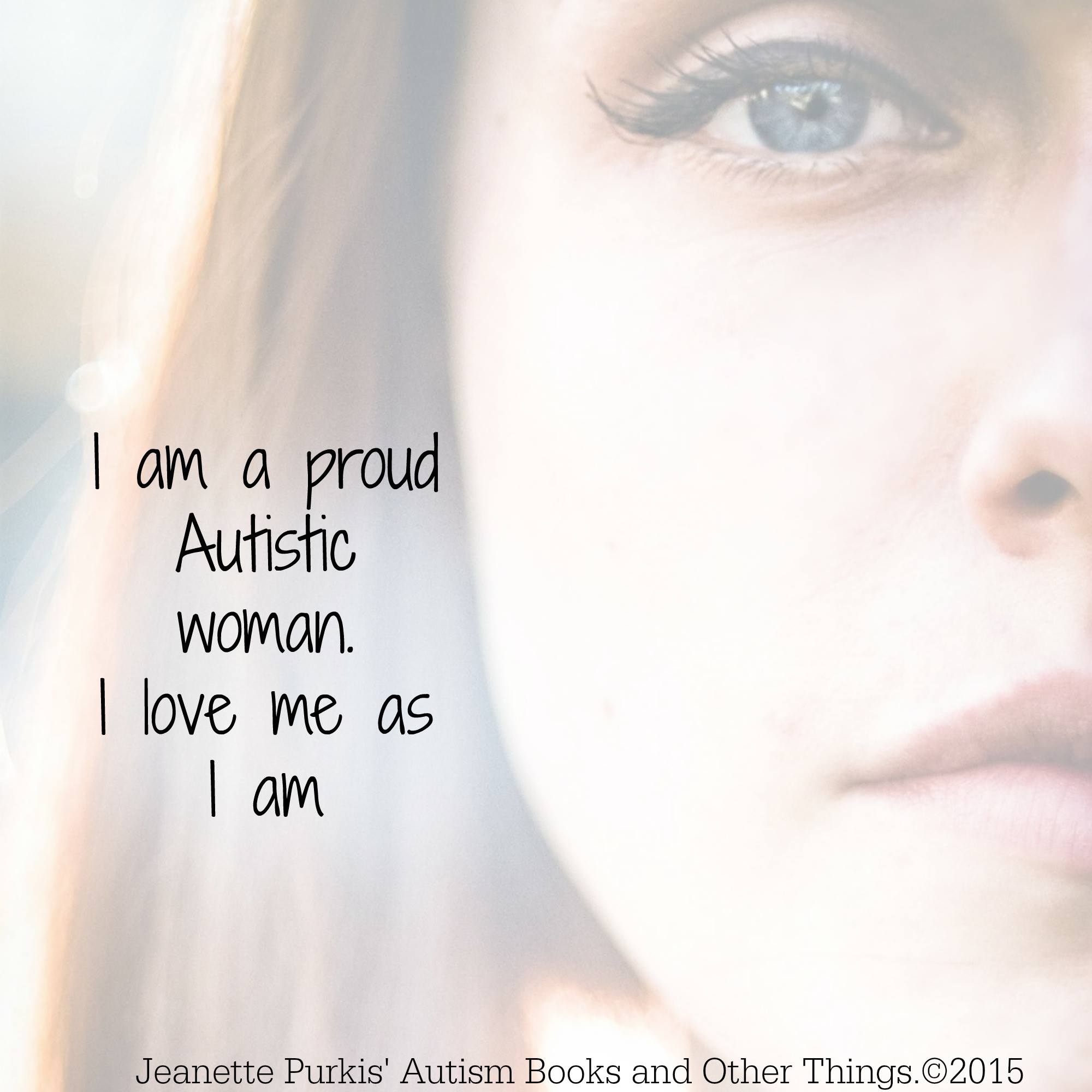
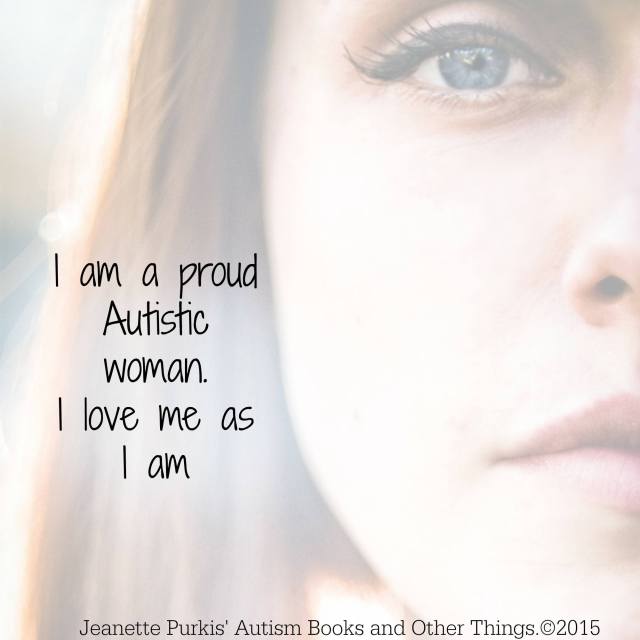
Sitting in that audience I suddenly saw some parallels between my own life as an Autistic woman struggling with identity for most of her early life and this Aboriginal man who seemed to have been through similar things. Another thing that hit me was how many Indigenous people I have seen get up on stage to speak and start their presentation by saying ‘I am a proud Aboriginal woman (or man)’. Autistic speakers don’t do this generally. I actually posted a meme with a quote of me saying ‘I am a proud Autistic woman. I love me as me’ recently and hundreds of people liked and shared it on social media. It got a few comments that people wished they could say they were proud Autistics too. I wonder if Autistic people can learn how to positively identify from those Aboriginal and Torres Strait Islander speakers. Just a thought. And I apologise for the roughness of this writing, it;s after my bedtime by I wanted to put these thoughts down. Thanks . Oh, and I did talk to Jeremy afterwards and said a very heartfelt  and enthusiastic ‘thanks’.

11289587_846906952057360_4546062650575153305_o

Autistic Pride Day – my journey to pride

18th June is Autistic Pride Day. The day was conceived by advocacy organisation ‘Aspies for Freedom’. Pride in who you are and which ‘culture’ or demographic you belong to is not a new concept. There has been gay, lesbian, bisexual, intersex, trans, asexual, Queer pride for many years. Aboriginal and Torres Strait Islander peoples have a bunch of great events to celebrate their achievements and cultures, like NAIDOC Week and the Deadly Awards. Owning your difference and celebrating it seems a good thing to do. I am happy to state ‘I am Jeanette. A proud Autistic woman with a lived experience of mental illness.’ I value myself and my experiences. I don’t shy away from telling people my diagnosis or explaining my experiences and why they are ‘different, not less’.

This was not always the case. As a high school student, people hated me and judged me for my difference and for things that were integral parts of what made me ‘me’. I wanted to change. I wanted to fit in and belong and spent many years joining any peer group that would have me. I remember changing the spelling of my name, losing my English accent and becoming obsessed with fashion in a series of vain attempts to fit in with the popular girls at school. Many adults saw my positive qualities: my sharp intellect, my talents at anything remotely creative, my gentle, kind nature and my easy, rather dry sense of humour. But to me their words were meaningless, for I wanted to be like the ‘in group’ at school.

I left school and entered the adult world – not really as an adult but as a naive and anxious 17 year old. I moved out of home and found work but I struggled with relating to the other people in the world. I saw my difference everywhere, how I didn’t belong, even in the peer group I had chosen for myself. To rectify this I became an accomplished social chameleon. I became so adept at acting that I all but lost my sense of self-identity. I couldn’t discern helpful people from the dangerous ones and found myself trying to please an older man who was a criminal and a psychopath. This resulted in crimes and prison – a new world and a new peer group to be accepted by. As soon as I entered the justice system I realised that I needed to fit in and belong at any cost. I stood back and observed my fellow prisoners – what made them happy, how they speak, what made them angry. Within a few weeks I was one of them and happy not to be the ‘nerd’ Jeanette from high school who I hated so much and wanted desperately to distance myself from.

In prison something which should have been life-changing happened – I gained a diagnosis of Asperger Syndrome. Many people relate that their diagnosis is a moment of acceptance and catharsis. A time to understand who they are and where they fit. Not for young Jeanette. My 20 year old, prisoner self associated the Asperger diagnosis with being a nerd. I felt if I had this diagnosis I would be doomed to be my high school student self forever. Nobody would like me and everyone would pick on me. This wasn’t going to happen. I was tough, I was a prisoner, I was ‘cool’. I hated the diagnosis as much as I hated myself.

It took me seven years to get to a point where I could accept my Aspieness. I was 27 years old, a university student and more importantly, I had started to like and value myself for the first time in what seemed forever. Opening the door to self-acceptance helped me to accept true and challenging things about myself, albeit gradually. I started very tentatively joining the Autism world. At the start I still found it hard to tell anyone I was on the spectrum but I gradually gained confidence in doing so. In 2005 an event happened that thrust me into the world of Autism advocacy almost unintentionally. I wrote my autobiography Finding a Different Kind of Normal: misadventures with Asperger Syndrome. And so there I was, an inadvertent advocate.

Of course I never looked back. Before long I was giving talks about Autism, writing blogs and articles on Autism-related subjects. And here I am, proud as proud of the Autistic woman I have become. I am blessed with self-acceptance, with self-esteem and with an amazing peer group of Autistic people and fellow travellers. So I am celebrating on 18 June for myself and all my Autistic compatriots. We have a lot to celebrate.

11289587_846906952057360_4546062650575153305_o

We are all ‘important’

On Tuesday I attended a showcase for Cooperative Research Centres which was held at the Great Hall of Parliament House. I am on the reference group for the Autism Cooperative Research Centre. The vent at Parliament involved an awards dinner. I spent a lot of the evening talking to various politicians and notable people. It was certainly a privilege to be included in such an event. I felt very special to be invited to such a thing.  I noticed the attitude of the wait staff during dinner. They had obviously been told to be invisible. Every time my wine glass was empty they popped up behind me with a wine bottle (and don’t worry, I declined a fair few times – i had work the next day and didn’t fancy doing it with a hangover). I made a point of thanking the wait staff when they presented me with a plate of food or a cup of coffee. I felt that there was a power relationship going on which I didn’t particularly like. I was apparently one of the important people and the wait staff were inconsequential and only there to serve and keep out of the way.

I reflected on the unlikely situation I was in to be invited to such an event. For I have not always been ‘important’. I was once alienated, disenfranchised and powerless. In the 1990s I probably wouldn’t have been allowed in Parliament House even to do the guided tour and yet here I am now in the same room as the Prime Minister and his Parliamentary colleagues. Twenty years ago I was a drug-using, slightly crazy, recent ex-prisoner. Following that, I spent many years living in crisis accommodation and begin unemployed. It took my a number of years to move past that negative time in my life and became who I am now, but these experiences are as much a part of me as writing books and giving presentations and working in a professional job.

I don’t like the concept of ‘important’ people. We are no more or less important than anyone else. In fact I like to think that we are all important. We all have a role to play. Each one of us is valued and  loved in someone’s eyes, be they a partner or child, a close friend or a cat. If we set up one person to be important due to their achievements that can leave others feeling inferior or unworthy. Yet we are all worthy of love, affection, respect, value and dignity. I find that as a slightly well known person in the Autism world, people sometimes defer to me and talk up my value. But who is to say I am  of more value than a mum of three kids on the spectrum who may not have written books or spoken at TEDx but who is doing a great job of helping her kids grow into happy, independent adults? This also raises the issue of what makes someone important or notable. I do public speaking and write books. These are apparently activities which cause others to respect me. But why is public speaking of more worth or note than raising kids? I think positive parenting is extremely important. Public speaking gives one something of a public profile but it is only one useful thing that people can do to assist Autistic people to achieve their full potential.

So I got to have dinner at Parliament House and meet politicians and I have Autism organisations telling my parents what an honour it is to have me speaking at their event and yes, it is easy to get carried away and think how important I am. However it is not helpful to do so. I need to remind myself that all humans are essentially equal and we have different paths in life. I am no more important than the person with a severe mental illness whose greatest achievement is to get out of bed each morning and keep going. I am no more important than the alcoholic doing her best to keep her kids out of trouble.  I am no important than any other human being. The value of life is not measured in achievements or in how much influence you have. We are all important, every single one of us. We all have something to give the world.

CRCA Conference 2\

Me at Parliament with the Industry Minister